

For operators of Cummins Inc. engines that red warning light typically means:
- A serious problem with lubrication or
- A serious problem with a sensor providing incorrect information to the ECM
Modern Cummins engines use advanced electronic monitoring systems. While these systems greatly enhance reliability, there are times when the systems can be overly sensitive to minor faults.
If the warning light comes on and the engine is running smoothly, no knocks and no vibrations, you could be facing a lubrication issue, but a burnt oil pressure sensor could be the real problem.How do you differentiate between the two?The answer is the L2 diagnostic checklist.
Why Oil Pressure Sensors “Lie” to the ECM

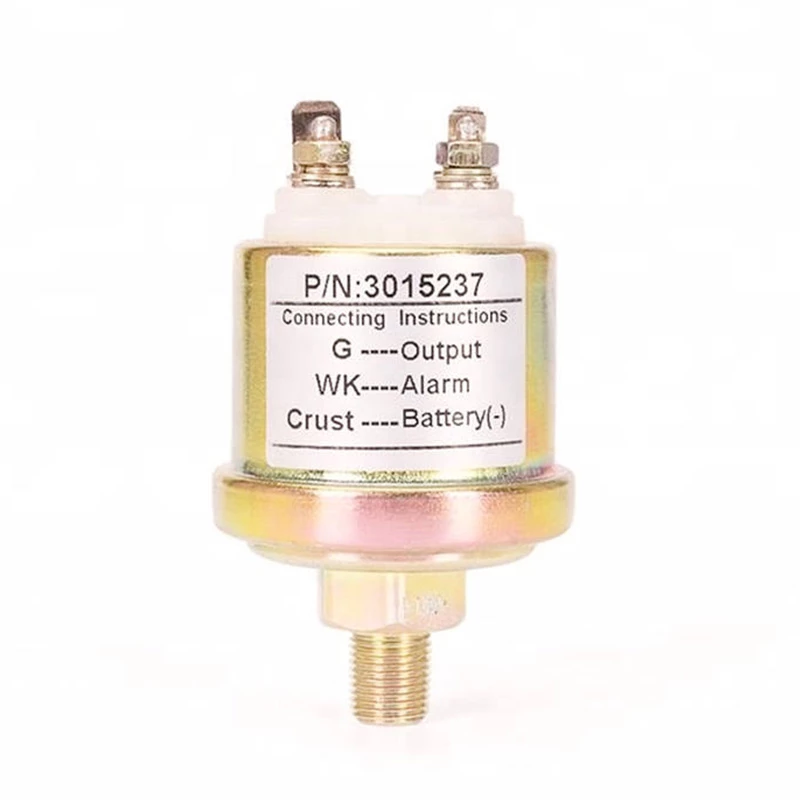
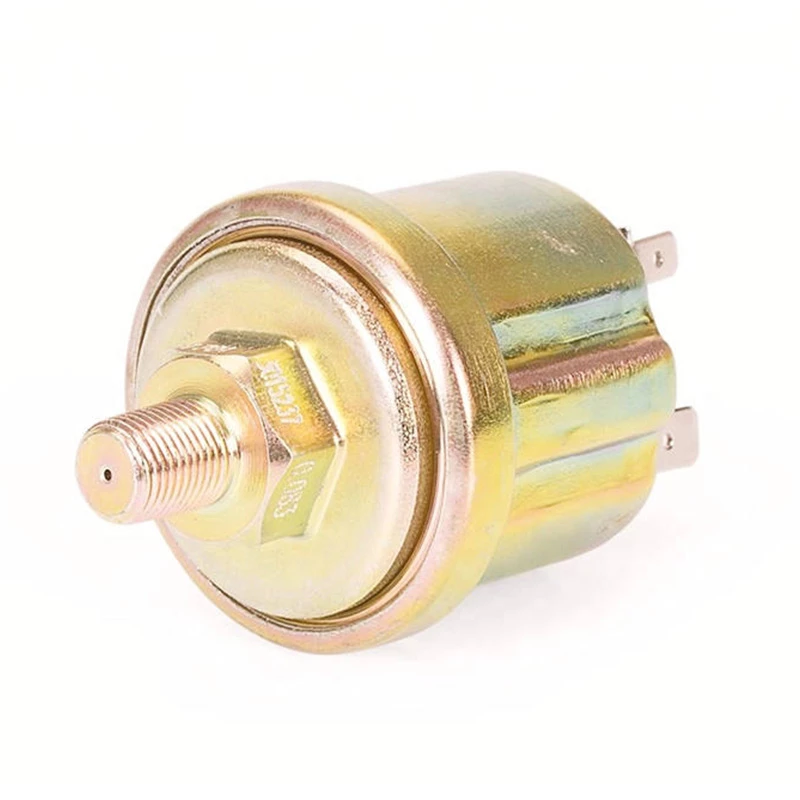
Modern diesel engines use pressure transducers to turn hydraulic pressure into an electrical signal. This signal is sent to the Engine Control Module (ECM) to see if the oil pressure is at a safe operating level. There are three main categories in the engineering world that are the cause of false reporting of a sensor.
- Signal Impedance Drift: Over time, the piezoristive element in the sensor gets older and starts to drift. The ECU may take a healthy reading of ~45 psi and think it is critically low.
- Wicking Contamination: This silent killer is really a thing. Oil literally wicks through the sensor’s internal seals and travels down the wire harness, creating an oil-film barrier that messes with the electrical resistance.
- Harmonic Fatigue: constant micro-vibrations cause contact fretting to occur and this is why you will see a bunch of engineering issues in high-vibration systems like Cummins engines.
The Cummins L2 Checklist for Oil Pressure Diagnosis
Technicians should take a methodical approach to diagnostics before spending money on part replacements. They should start with simpler checks and then advance to more complicated diagnostics.
| Inspection Level | Diagnostic Check | Purpose |
| L1 Basic | Check engine oil level and viscosity | Eliminate real lubrication issues caused by low oil level or thermal dilution |
| L2-A Electrical | Inspect and clean connector contacts | Remove false readings caused by increased contact resistance |
| L2-B Comparison | Test with a mechanical pressure gauge | Industry diagnostic “gold standard” to compare dashboard data with real hydraulic pressure |
| L2-C Data | Use INSITE diagnostic software to read signal waveform | Confirm whether signal fluctuations occur before startup or during operation |
Real Low Oil Pressure vs. Faulty Sensor
| Indicator | Real Low Oil Pressure | Faulty Oil Pressure Sensor |
| Engine noise | Knocking or ticking sounds | Engine runs smoothly |
| Temperature | Often increases | Usually normal |
| Oil pressure readings | Consistently low | Erratic or inconsistent |
| Mechanical gauge test | Confirms low pressure | Shows normal pressure |
| Typical cause | Oil pump failure, worn bearings | Sensor malfunction or wiring issue |
Common Signs Your Oil Pressure Sensor Is Failing
Diagnosis starts with understanding the patterns of symptoms.
The following cases are more likely related to sensor failure than to genuine lubrication issues.
| Symptom | What You Might Observe | Diagnostic Insight |
| Sudden oil pressure warning during normal operation | ECM reports low oil pressure, but engine sounds normal | Electrical faults, such as a failing sensor or poor connection, may trigger false alerts. True lubrication failures usually produce additional symptoms. |
| Oil pressure readings fluctuate rapidly | Example readings:Idle: 18 PSISpike: 65 PSIDrop: 5 PSI within seconds | Mechanical oil pressure rarely changes this dramatically without other signs. Erratic readings often indicate sensor signal instability or wiring issues. |
| The warning appears only after the engine warms up | The ECM shows a warning, yet the engine operates smoothly with no knocking or performance loss. | Real low oil pressure typically produces mechanical symptoms such as knocking, ticking, or turbo noise. If none are present, the sensor reading may be inaccurate. |
| ECM reports low oil pressure, but the engine sounds normal | Oil pressure readings appear normal during cold start but become unstable once the engine reaches operating temperature. | Heat can cause internal resistance drift in aging sensors, leading to calibration errors. This is a common failure pattern in high-mileage engines. |
Data-Driven Diagnostics (The “Gold Standard”)
Cummins Service Bulletin 3666115 states that the oil pressure sensor output should respond directly to the changes in engine RPM and engine oil temperature.
A regional Cummins Authorized Dealer lead technician states that “accurate diagnostics must always separate the electronic signal and the mechanical hydraulic reality.” “If you depend on the dashboard display during warning events, you are making decisions on filtered data, not unprocessed data.”
- Static Baseline: With the ignition ON but the engine OFF, the sensor must read 0.0 psi (0.5V± 0.1V). Any deviation here confirms a failed sensor.
- Operating Threshold: Under SAE J1939 standard operating conditions, your ISX or B-Series engine should maintain at least 10 psi at idle and 30 – 60 psi under load. If your mechanical gauge confirms these numbers, your engine is healthy—your sensor is just faulty.
These values align with operating ranges used in SAE J1939 engine communication standards from the Society of Automotive Engineers.
Warning: Engine Noises. If you hear any strange sounds such as friction, metal knocking, or any kind of impacts or the engine, shut off the engine, no matter what the indicators say.Operating the engine under these conditions will cause serious mechanical damage.””
The Hidden Killer: Oil Wicking
Oil Wicking is a process where engine oil migrates through the sensor using capillary action and wiring harnesses and into the connector. If you see oil in the connector, do NOT reconnect it. If there is oil in the connector, a new sensor will be ruined in a matter of weeks.
- Degreasing: To get rid of any oil contamination on the connector, you must get Electronic Contact Cleaner that leaves no residue.
- Dielectric Protection: A small amount of dielectric grease should be used. Many people make the mistake of thinking dielectric grease is used to conduct electricity, but in fact, it is used as a hydrophobic oil and moisture barrier that seals the contact point of the pins and sockets.
- Significance of OEM Parts: Many technicians have witnessed numerous “low-cost” sensors fail because of inadequate electromagnetic interference (EMI) shielding. The sensors made by Cummins Inc. are designed to handle the intense and challenging high-frequency electromagnetic fields produced by the engine control module (ECM) for consistent signal stability and dependable diagnostics.
References
- Cummins QuickServe Online – Technical Service Documentation:https://quickserve.cummins.com
- SAE International – J1939 Heavy Duty Vehicle Network Standard:https://www.sae.org/standards/content/j1939/
- American Petroleum Institute – Engine Oil Standards:https://www.api.org/products-and-services/engine-oil
- ISO – Road Vehicle Electrical Disturbance Standards:https://www.iso.org/standard/43437.html